
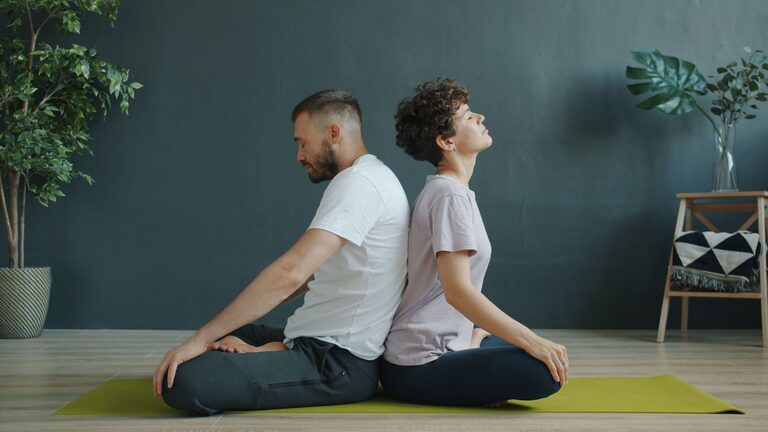
Taking a mindful breathing break is an easy and powerful way to improve your focus, reduce stress, and enhance overall well-being. For beginners, it might seem challenging to know where to start or how to fit mindful breathing into a busy day. This guide offers practical tips and simple techniques to help you enjoy mindful breathing breaks anytime, anywhere.
What Is Mindful Breathing?
Mindful breathing means paying full attention to your breath — noticing how it feels as you inhale and exhale — without trying to change it. The goal is to anchor yourself in the present moment, gently bringing your mind back whenever it wanders.
This practice can be done anywhere, whether you’re at your desk, on a walk, or even waiting in line. It’s a natural way to calm your nervous system and clear your mind.
Why Take Mindful Breathing Breaks?
– Reduce stress: Mindful breathing activates your body’s relaxation response.
– Improve focus: Bringing awareness to your breath can help sharpen concentration.
– Enhance mood: Deep breathing encourages a sense of calm and balance.
– Increase energy: It refreshes your mind and can relieve feelings of fatigue.
Even a few minutes can make a difference, making it a great tool to use several times a day.
Tips for Getting Started with Mindful Breathing Breaks
1. Choose a Comfortable Position
Sit or stand in a relaxed, upright posture. You can also lie down if that’s more comfortable. The key is to be comfortable so you can focus on your breath.
2. Set a Timer or Use a Reminder
If you’re new to mindful breathing, start with just 2–5 minutes. You can set a gentle timer or a reminder on your phone to encourage regular breaks.
3. Focus on Your Breath
Close your eyes if you feel comfortable, and notice your natural breath. Feel the air entering through your nose, filling your lungs, and then leaving your body.
4. Breathe Naturally
Avoid forcing or changing your breath. Just observe it as it is—whether slow, fast, deep, or shallow.
5. Use a Simple Counting Method
To anchor your attention, try counting your breaths. For example, inhale and count “one,” exhale “two,” and continue up to five, then start again. If your mind wanders, gently bring it back to your breath and the count.
6. Notice Sensations Beyond Breath
As you become more comfortable, expand your awareness to sensations such as the rise and fall of your chest, sounds around you, or the feeling of your feet on the floor.
7. Practice Patience and Kindness
Your mind will wander—it’s normal! Instead of judging yourself, gently guide your focus back to your breath with kindness.
Simple Mindful Breathing Exercises for Beginners
Here are a few easy exercises to try during your breaks:
1. 4-4-4 Breathing
– Inhale slowly through your nose for 4 seconds.
– Hold the breath gently for 4 seconds.
– Exhale slowly through your mouth for 4 seconds.
– Repeat for 5 cycles.
This exercise helps regulate your breath and promotes calmness.
2. Body Scan Breathing
– As you breathe in, imagine sending your breath to a specific part of your body (e.g., your shoulders).
– As you breathe out, imagine releasing tension from that area.
– Move your attention slowly down your body with each breath.
This technique increases body awareness and relaxation.
3. Breath Awareness with Counting
– Inhale deeply and silently count “one.”
– Exhale and count “two.”
– Continue up to “five” and then start over.
– If distracted, simply restart the count.
This helps build focus and mindfulness.
Incorporating Mindful Breathing Breaks Into Your Day
– Morning start: Take a few mindful breaths before leaving your bed to set a calm tone for the day.
– Work breaks: Use 2–3 minutes between tasks to reset and refresh your mind.
– Transition moments: Breathe mindfully before important meetings or after stressful calls.
– Evening wind down: End your day with deep, mindful breathing to relax before sleep.
Helpful Tools and Resources
– Apps: Many free apps offer guided mindful breathing sessions, including Calm, Insight Timer, and Headspace.
– Timers: Use silent timers or gentle chimes to mark your breathing breaks.
– Environment: Choose a quiet, comfortable spot whenever possible, but remember mindful breathing can be practiced anywhere.
Final Thoughts
Mindful breathing breaks are a simple, accessible tool that anyone can use to improve mental clarity and emotional balance. Starting with just a few minutes a day can help you develop a lasting habit that supports your well-being. Remember, the key is consistency, patience, and a gentle approach.
Give yourself permission to pause, breathe, and reset. Your mind and body will thank you!