
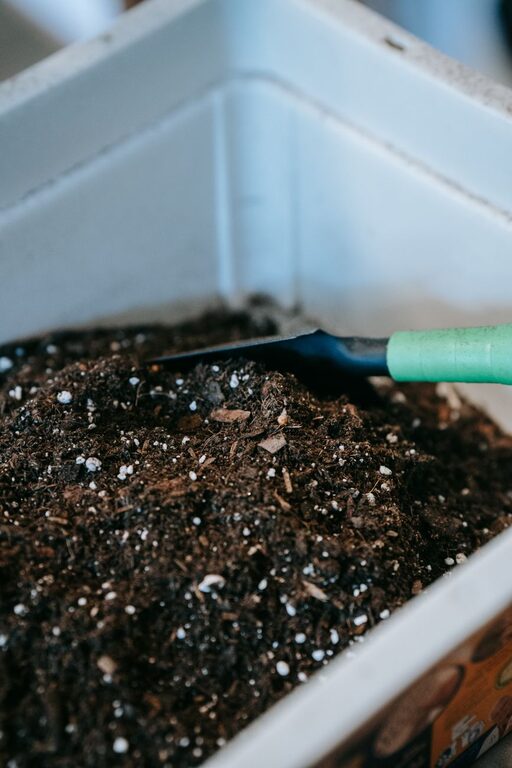
Composting is an excellent way to reduce household waste, enrich your garden soil, and contribute to a healthier environment. If you’re new to composting, it might seem a bit complicated at first, but with a few straightforward steps, you can start turning your kitchen scraps and yard waste into valuable compost. This guide offers beginner-friendly tips to help you compost successfully at home.
What is Composting?
Composting is a natural process where organic materials like food scraps and plant waste break down into nutrient-rich soil called humus. This process involves microorganisms, worms, and other decomposers that help transform waste into something beneficial for your garden.
Benefits of Composting at Home
– Reduces landfill waste: Composting decreases the amount of organic waste sent to landfills, cutting down methane emissions.
– Improves soil health: Compost adds essential nutrients and improves soil structure, promoting healthy plant growth.
– Saves money: Reduces the need to buy commercial fertilizers and soil conditioners.
– Encourages sustainable living: Composting supports a more eco-friendly lifestyle.
Getting Started: Choosing a Compost Bin
Before you begin, decide where and how to compost. You can choose from several methods depending on space and preference:
1. Compost Pile
– A simple heap in your backyard.
– Ideal if you have ample outdoor space.
– Less containment but easy to manage.
2. Compost Bin
– Enclosed containers made of plastic, wood, or metal.
– Keeps compost tidy and helps maintain heat.
– Suitable for smaller outdoor spaces.
3. Tumbler Compost Bin
– Rotating bins that make turning your compost easier.
– Speeds up the composting process.
– Great for beginners who want convenience.
4. Indoor Composting
– Use vermicomposting (worms) or countertop compost bins for small amounts.
– Perfect for apartment dwellers or cold climates.
What Can You Compost?
To create healthy compost, it’s important to balance two main types of materials:
Green Materials (Nitrogen-rich)
– Fruit and vegetable scraps
– Coffee grounds and tea bags
– Fresh grass clippings
– Plant trimmings
Brown Materials (Carbon-rich)
– Dry leaves
– Straw or hay
– Shredded newspaper or cardboard
– Sawdust and wood chips
What to Avoid
– Meat, dairy, and oily foods (can attract pests)
– Diseased plants
– Pet waste
– Chemically treated wood or plants
Step-by-Step Composting Guide
Step 1: Start Your Pile or Bin
Place your compost bin or start a pile in a well-drained, shady spot. Begin by layering brown materials at the bottom to aid aeration.
Step 2: Add Materials in Layers
Alternate between green and brown layers. A good rule of thumb is to aim for roughly three parts brown to one part green to balance moisture and nitrogen.
Step 3: Maintain Moisture
Keep your compost moist, similar to a damp sponge. Too much water can cause odor problems; too little slows decomposition.
Step 4: Turn Your Compost
Every week or two, turn your compost using a garden fork or by rotating the bin. This introduces oxygen, which helps microorganisms break down the materials faster.
Step 5: Monitor Temperature
Composting generates heat. A properly managed pile can reach 130-160°F, which helps kill weed seeds and pathogens. If it cools down, turning the pile can revive the process.
Step 6: Harvest Your Compost
After a few months (sometimes up to a year), your compost will look dark, crumbly, and smell earthy. This means it’s ready to use in your garden.
Common Composting Challenges and Solutions
– Bad odor: Usually caused by excess moisture or too many greens. Add more brown materials and turn the pile.
– Pests: Avoid meat and dairy, and cover food scraps with brown materials to deter animals.
– Slow decomposition: Chop materials into smaller pieces, maintain moisture, and turn the pile regularly.
– Pile too dry: Water your compost as needed, especially during dry spells.
Tips to Speed Up Composting
– Chop or shred large pieces before adding them.
– Use a compost activator or add garden soil to introduce microorganisms.
– Keep compost warm by placing it in a sunny spot or insulating the bin in cold weather.
Using Your Finished Compost
Once your compost is ready, you can use it in various ways:
– Mix it into garden beds to enrich the soil.
– Use it as a top dressing for lawns and houseplants.
– Blend with potting soil for container gardening.
– Mulch around trees and shrubs to retain moisture.
Final Thoughts
Composting at home is a rewarding and eco-friendly practice that anyone can start. With some patience and attention to balance, moisture, and aeration, you’ll create nutrient-rich compost that boosts your garden while reducing waste. Start small, learn as you go, and enjoy the positive impact on your home and the planet.
Happy composting!