
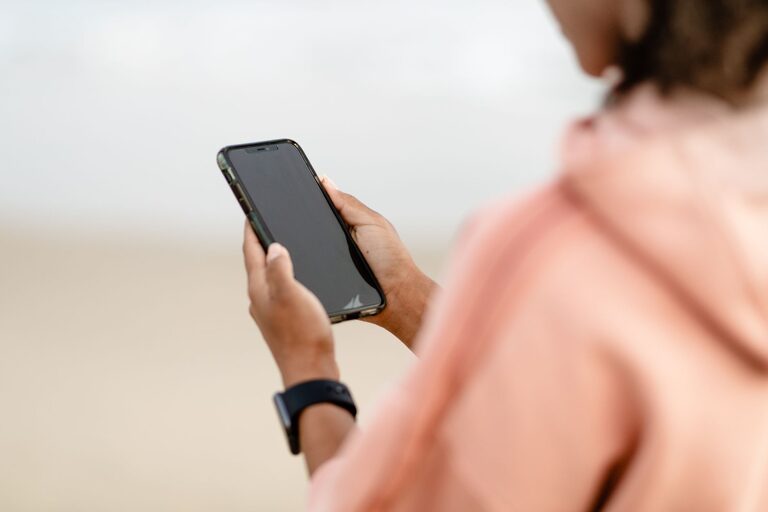
In today’s connected world, smartphones have become an essential part of our daily lives. They help us communicate, work, and entertain ourselves. However, excessive or careless phone use can lead to distractions, stress, and even affect our mental well-being. Maintaining healthy phone habits is important for creating a balanced lifestyle where technology serves you without overwhelming you.
In this post, we’ll explore practical strategies to help you use your phone mindfully while minimizing negative impacts on your life.
Why Healthy Phone Habits Matter
Phones are designed to keep us engaged, but too much screen time can interfere with sleep, reduce productivity, and cause feelings of anxiety or loneliness. By developing healthy phone habits, you can:
– Improve focus and concentration
– Enhance real-life relationships
– Reduce stress and mental fatigue
– Sleep better
– Gain more time for hobbies and relaxation
Let’s dive into ways you can create a healthier relationship with your phone.
Set Boundaries for Phone Use
Create Specific Phone-Free Times
Designate certain times of the day when you avoid using your phone entirely. This might be during meals, the first hour after waking up, or the hour before bed. Phone-free times help you stay present with your surroundings and give your brain a break from constant alerts.
Use Do Not Disturb Mode
Enable Do Not Disturb or silent modes during work or personal time to minimize interruptions. This reduces the temptation to check notifications and helps maintain focus.
Limit Notifications
Review your app notifications and disable those that are unnecessary. Only allow alerts from people or apps that really need your immediate attention.
Manage Screen Time Effectively
Monitor Your Usage
Most smartphones have built-in screen time trackers showing how long you spend on each app. Regularly check these insights to understand your habits and identify apps that consume a lot of your time.
Set App Limits
Use your phone’s settings or apps designed for digital wellbeing to set daily limits on time spent on social media, games, or other distracting apps. When you hit the limit, take a break to engage in offline activities.
Take Regular Breaks
Follow the 20-20-20 rule: every 20 minutes, look at something 20 feet away for at least 20 seconds. This helps reduce eye strain caused by prolonged screen use.
Make Your Phone Use More Mindful
Be Intentional About Phone Use
Before unlocking your phone, ask yourself why you’re picking it up. Is it to check an important message or just out of boredom? Being intentional helps prevent mindless scrolling.
Practice Single-Tasking
Avoid juggling multiple apps or tasks at once on your phone. Focus on one activity at a time to improve efficiency and reduce mental clutter.
Use Phone Purposefully
Utilize your phone for positive activities like learning, creative projects, or connecting with loved ones rather than endless scrolling or doomscrolling.
Create a Soothing Phone Environment
Customize Your Home Screen
Arrange your home screen with essential apps only, and remove distractions. Use simple wallpapers that are calming rather than overly bright or busy.
Turn On Night Mode
Many phones offer a night mode or blue light filter that reduces eye strain and helps maintain healthy sleep cycles when using your phone in the evening.
Keep Your Phone Clean
Regularly clean your device to maintain hygiene and reduce the spread of germs.
Balance Phone Use with Offline Activities
Engage in Physical Activities
Make time each day for exercise or outdoor activities without your phone. Physical movement and fresh air are great for your overall well-being.
Spend Quality Time with People
Prioritize face-to-face interactions with family and friends to nurture your relationships.
Develop Hobbies
Pursue activities like reading, crafting, cooking, or playing a musical instrument that don’t involve screens. This brings more joy and relaxation to your day.
Final Thoughts
Maintaining healthy phone habits doesn’t mean giving up your device completely. It’s about creating boundaries, being mindful, and choosing how and when you want to use your phone. By making small, consistent changes, you can enjoy the benefits of technology without letting it take over your life.
Start today by setting one or two phone habits that feel doable and build from there. Over time, you’ll notice improvements in your focus, mood, and overall quality of life. Your phone can be a helpful tool rather than a distraction—when used wisely.