
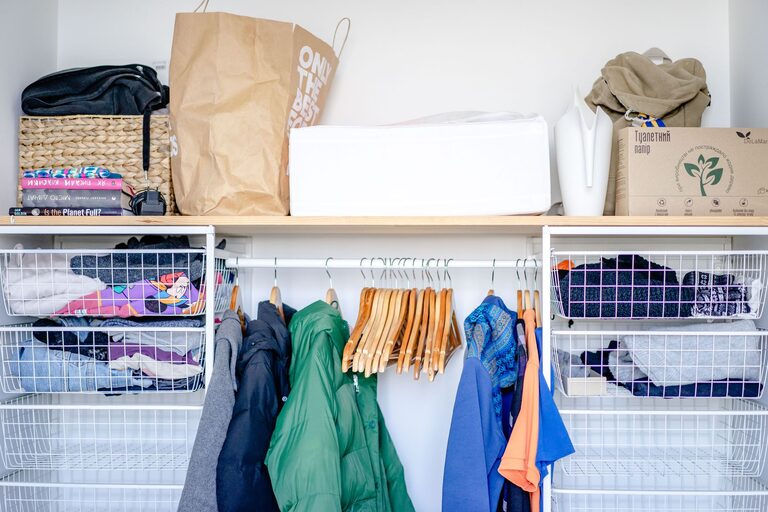
Storing seasonal clothes efficiently is a game-changer when it comes to keeping your home clutter-free and your wardrobe manageable. Whether you’re switching from winter layers to summer outfits or vice versa, organizing your clothes properly can save space, protect fabrics, and make the next season’s dressing effortless. In this post, we’ll walk you through practical tips for storing seasonal clothes, plus some smart product recommendations to keep everything neat and accessible.
Why Store Seasonal Clothes Separately?
Switching out clothes each season allows you to:
– Save closet space by only keeping current-season items within easy reach.
– Protect off-season clothes from dust, pests, and wrinkles.
– Simplify morning routines by reducing decision fatigue.
– Prolong the life of your clothes by storing them properly.
Steps to Prepare Your Clothes for Storage
Before packing your clothes away, it’s important to get them ready. Here’s how:
1. Clean Everything Thoroughly
Washing or dry cleaning your clothes before storage helps remove dirt, oils, and stains that can attract pests or cause discoloration over time. Make sure clothes are completely dry to prevent mold and mildew.
2. Repair and Sort
Check for any needed repairs such as loose buttons or minor tears. Fixing these issues now prevents further damage. Sort your clothes by type, fabric, or frequency of use to make unpacking easier.
3. Choose the Right Storage Containers
Selecting the right containers can protect your clothes and save space:
– Clear plastic bins with tight-fitting lids keep moths and dust out and let you see what’s inside.
– Breathable fabric bags or cotton storage bags allow airflow, which is ideal for natural fibers.
– Vacuum-seal bags reduce bulk by compressing clothes, perfect for bulky sweaters or coats.
– Avoid using cardboard boxes as they can attract insects and absorb moisture.
Best Practices for Storing Different Types of Clothes
Different fabrics and clothing types may require specific storage methods.
Hanging vs. Folding
– Hanging: Use sturdy hangers for coats, dresses, and items prone to wrinkles. Avoid thin wire hangers that can deform shoulders.
– Folding: Fold sweaters, t-shirts, and knitwear to prevent stretching. Use acid-free tissue paper to reduce creases.
Protecting Delicate Fabrics
Delicate fabrics like silk, lace, or embellished garments should be stored in breathable garment bags to avoid damage. Adding cedar blocks or lavender sachets inside storage can deter moths naturally.
Handling Bulky Items
Bulky items such as winter coats or heavy sweaters can take up a lot of space. Vacuum-seal bags are excellent for compressing these but use them only for short-term storage, as fabrics need some airflow.
Tips for Maximizing Space
– Use under-bed storage: Flat bins that slide under the bed make good use of otherwise wasted space.
– Label everything: Clear labeling saves time hunting for specific items later.
– Store vertically: Stack bins vertically in a closet or storage area to utilize vertical space effectively.
– Rotate seasonally: When the season changes, rotate the storage bins so the current season’s clothes are easiest to reach.
Seasonal Storage Ideas
Winter Clothes
Store sweaters, coats, scarves, and gloves in breathable containers with cedar blocks to prevent moth damage. Avoid hanging heavy coats for long periods as this may stretch the fabric; folding is better if space allows.
Summer Clothes
Pack summer clothes like shorts, dresses, and swimwear in plastic bins with lids to keep moisture out. Include silica gel packets to control humidity.
Additional Storage Accessories
– Drawer dividers help organize smaller items like socks and underwear.
– Shelf dividers keep piles of folded clothes neat.
– Vacuum storage bags for bulky items, but remember to air out clothes when removed.
– Moth repellents like lavender or cedar can protect your clothes naturally.
Final Checklist for Seasonal Storage
– Clean and dry clothes completely
– Repair any damages
– Sort and fold/hang appropriately
– Choose proper containers
– Add natural moth repellents
– Label containers clearly
– Store in a cool, dry place away from sunlight
Conclusion
Efficiently storing seasonal clothes doesn’t have to be complicated. By preparing your clothes properly and choosing suitable storage solutions, you can keep your wardrobe well-organized and your garments in great shape throughout the year. When it’s time to switch seasons, you’ll appreciate having a clutter-free closet and easy access to your favorite outfits.
What’s your best tip for storing seasonal clothes? Share in the comments below!